Exploring the Encoding and Regenerative Properties of cochlear ribbon synapses
Our mission is to understand how specialized synaptic circuits in the mammalian cochlea encode auditory information and how these circuits can be preserved, repaired, and regenerated following injury.
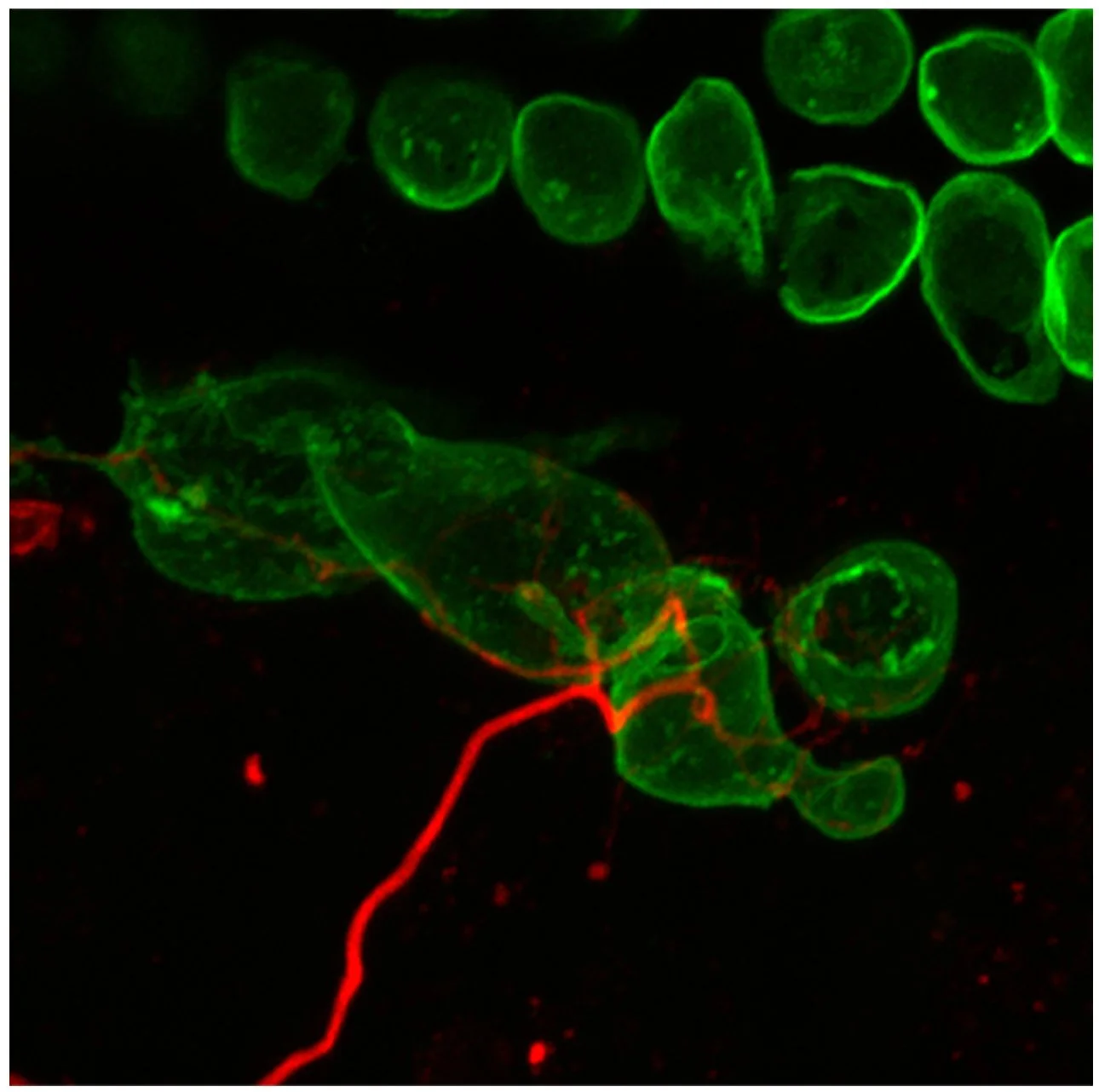
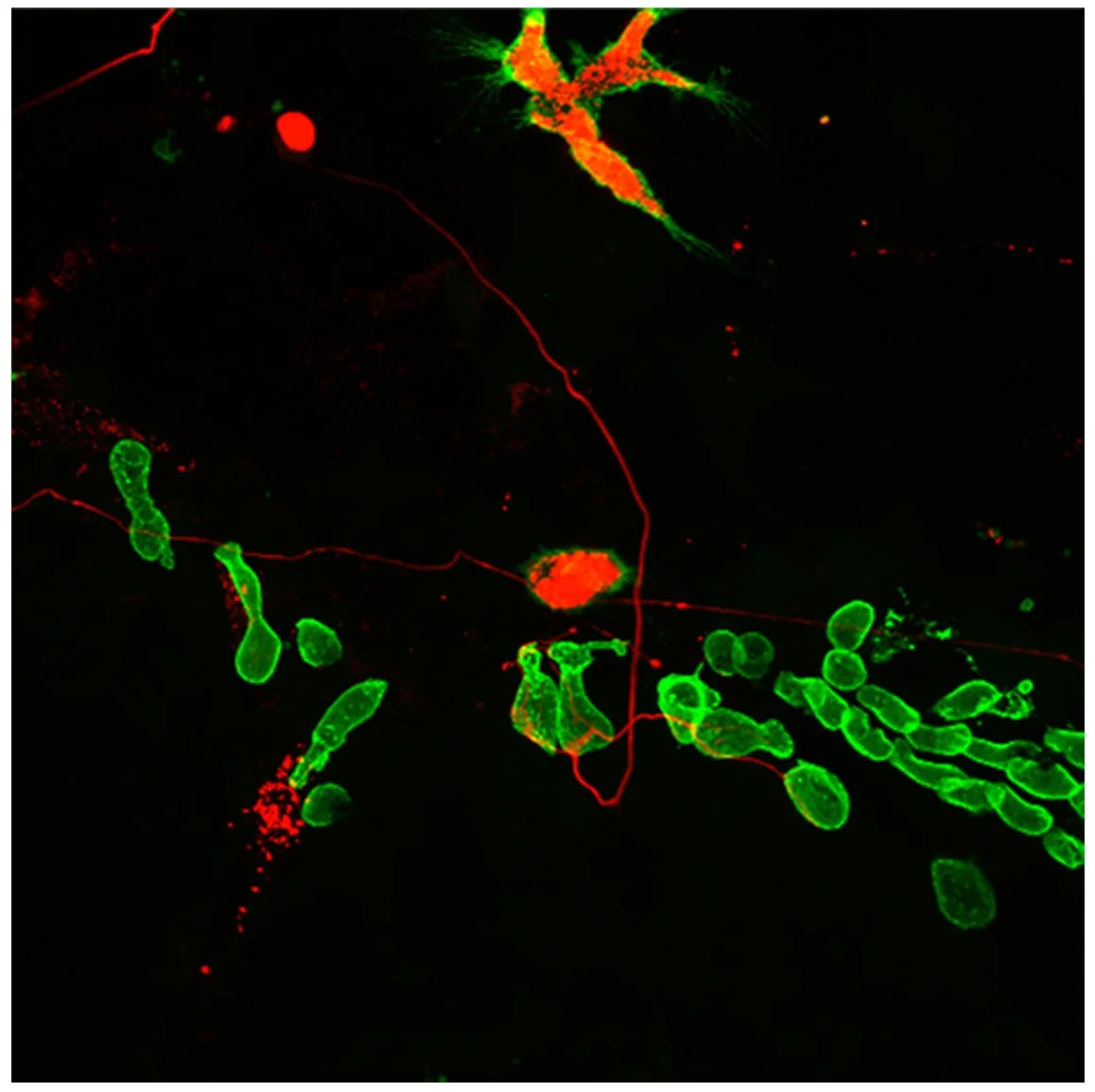
The laboratory seeks to define the molecular mechanisms that shape the encoding properties of IHC/type-I ANF ribbon synapses from both presynaptic and postsynaptic perspectives. My lab combines double patch-clamp recordings, optogenetic stimulation, and genetically encoded sensors to monitor activity within auditory nerve terminals to investigate how synaptic transmission is shaped in normal conditions and altered in response to trauma and ageing. We also use the same technical approaches to develop strategies to regenerate and restore damaged auditory synapses. We aim to assess if regenerated synapses and hair cells display the expected biophysical properties of their native counterparts to make sure that regenerated cells would sustain proper sound encoding.
By integrating molecular and cellular physiology with regenerative biology, my long-term mission is to uncover the fundamental principles by which ribbon synapses encode sound and shape auditory information, and to leverage this knowledge to understand auditory dysfunction and develop innovative therapeutic strategies that restore functional neural circuits in the damaged cochlea.